
Lecture Overview
Educational Activities of Matsuo-Iwasawa Lab.
Affiliated Researchers Give Lectures Based on the Latest Research
Fostering AI Human Resources for the Next-generation Information Society
The Matsuo-Iwasawa Laboratory at the University of Tokyo offers open lectures to a wide range of people interested in the latest AI (Artificial Intelligence) and data science. The courses are open not only to Tokyo University Students, but also to students from all over Japan (graduate students, undergraduate students, junior college students, vocational school students, technical college students, high school students, and junior high school students). Themes cover a wide range of topics, from fundamentals of AI and data science to deep learning and entrepreneurship education. Courses are also available for the general public, including employees of corporate members of the Metaverse Engineering Department and those on leave due to family responsibilities (nursing care, childcare, etc.). A feature of the course is that young researchers and enrolled students in the Matsuo-Iwasawa Laboratory, as well as students who have completed the course, develop the course materials and serve as instructors and Teaching Assistants (TAs). The results of basic research on ever-evolving AI technologies are directly reflected in the lectures. The courses are mainly online, but we have also introduced some face-to-face workshops. Overall, we try to make the lectures hands-on and experiential, where students learn the latest programming techniques through hands-on practice. The purpose of the lectures is to provide the results of basic research to many people as valuable learning and high-quality education, leading to changes in people, organizations, and ultimately society. Our mission is to foster young researchers, engineers, and entrepreneurs through advanced AI and data science education, and to raise the IT competitiveness of Japan as a whole.
Social Significance
Toward an Era in Which Academia and Industry Collaborate to Create Value
According to data from the Ministry of Economy, Trade and Industry, Japan will lack up to 790,000 IT professionals by 2030. The current global economy is undoubtedly driven by advances in technology, especially IT and AI. Japan, where we live, faces a major challenge in that there is a shortage of the next generation of human resources to take the lead in the information field or lead the future of the information field. In order to overcome this situation, it is necessary to create a world in which academia and industry collaborate to create value in Japan. The model for this can be found in the United States, the leader in the information field. In Silicon Valley on the West Coast, education and research have been conducted in close collaboration between academia and industry since the 2000s, and it has been commonplace for about 20 years for Google employees to give lectures on the latest technologies at Stanford University. Academia cultivates skilled individuals who contribute to industry, and these people invigorate companies. And, by increasing international competitiveness in the information field, high-quality academic research can continue – a situation that has been commonplace for about 20 years. Looking around the global IT and AI research scene, there is no doubt that this cycle is inevitable. Now is the time for academia and industry to collaborate to develop human resources capable of creating new value.
Features of the Course
Universities and companieswork closely together tonurture the next generation
Realization of an“innovation ecosystem”
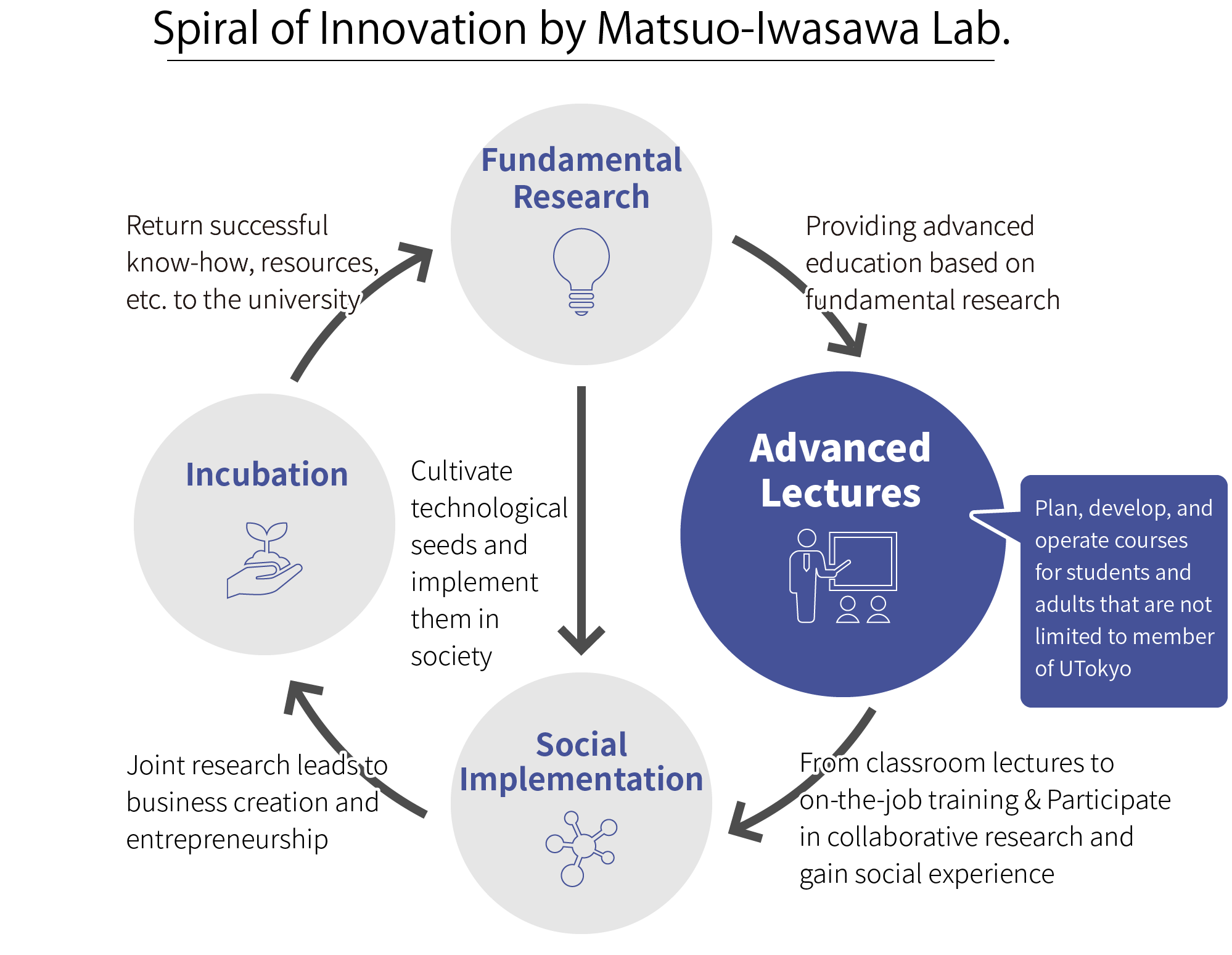
To overcome this critical situation, the Matsuo-Iwasawa Laboratory at the University of Tokyo aims to create OR build an “innovation ecosystem” in which universities and companies work closely together to nurture the next generation. This refers to a model in which the results of basic research are communicated to a large number of students and working adults through advanced lectures, and the shared knowledge and technology are implemented in society, leading to economic development in Japan. The university’s research will spread to the world in the form of start-up companies and service development, and the resources gained from these economic activities will flow back to the university to further promote research and development. We are aiming for such a cycle. Within this ecosystem, “educational activities” play an important role. AI researchers active on the front lines of research and education serve as lecturers, and courses that provide the latest insights from research papers updated daily from around the world are unparalleled in Japan. In addition to providing the latest knowledge such as LLM (Large-scale Language Models) and world models, we also provide concrete entrepreneurial know-how for social implementation of technology. In the Matsuo-Iwasawa Laboratory’s courses, students not only learn programming skills, but also experience the real impact of applying them to social challenges.

The Matsuo-Iwasawa Laboratory’s external courses, which started in 2014, have been taken by a cumulative total of more than 12,000 students and working adults by FY2023. Our goal is to expand the number of courses and grow the program so that 200,000 people in Japan will take it in the future. After taking courses at the Matsuo-Iwasawa Laboratory, many of our alumini have gone on to start their own businesses or work for Big Tech companies. We believe that the network of researchers that enables such large-scale courses, the well-developed educational system, and the track record of linking research to social implementation are the unique strengths of the Matsuo-Iwasawa Laboratory.
Specific Activities
Acquisition of Cutting-edge Knowledge and Technology throughHands-on Experience
Participate in Japan’s Premier AI Research Community from All over the Country
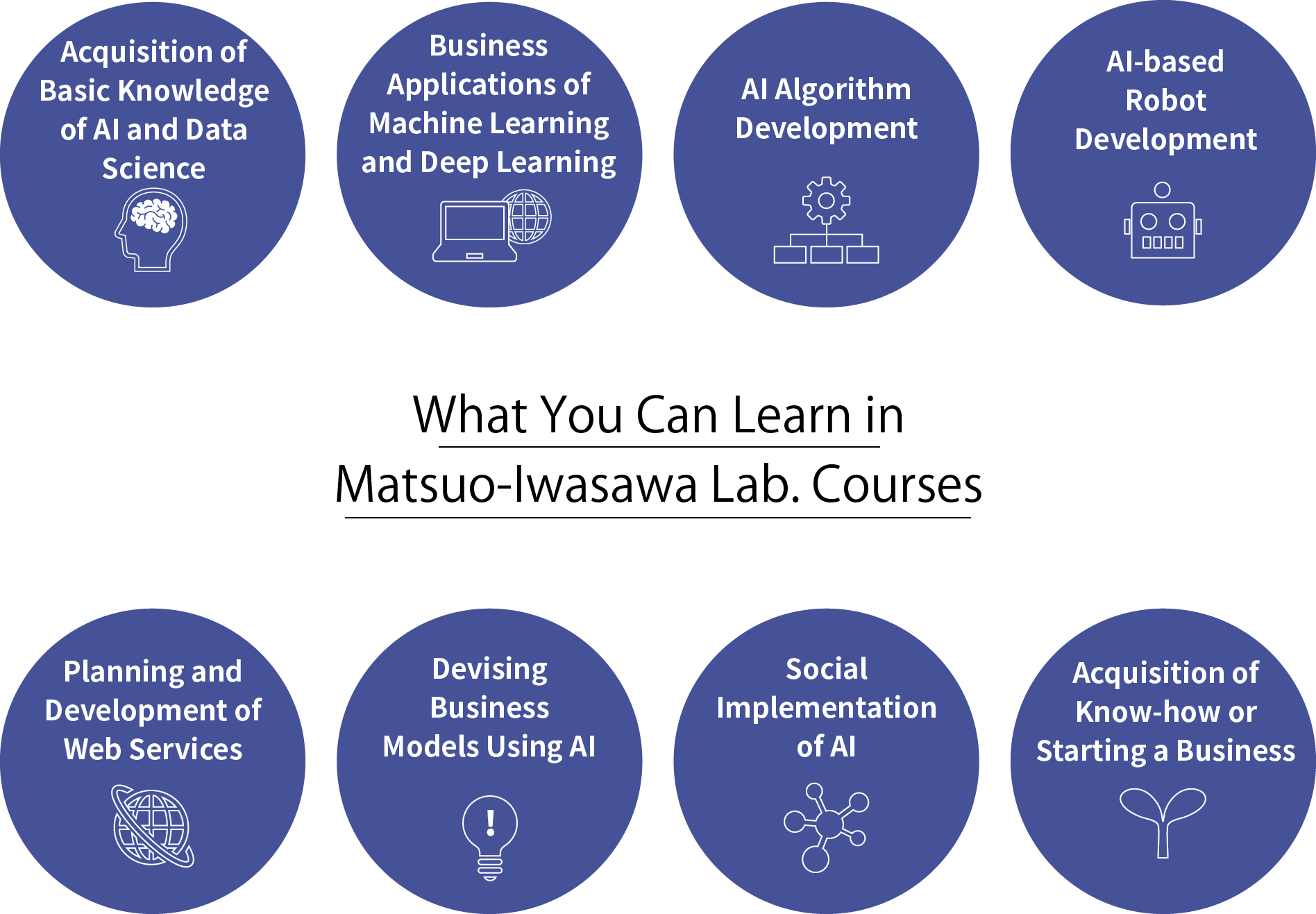
Courses at the Matsuo-Iwasawa Laboratory are generally free of charge (with some paid courses). Most lectures are online, so you can participate from anywhere in Japan. Not only university and graduate students, but also junior high school, high school, technical college, vocational school, and junior college students can participate. A major feature of the courses is that students can learn through hands-on experience in programming, application prototyping, and field research. In many of the courses, competitions are held in which participants compete against each other in the accuracy of machine learning and deep learning models they have created. Students also learn to identify social issues and explore ways to solve them using cutting-edge AI technologies, and creating business plans intended for social implementation, such as smartphone applications and web services.
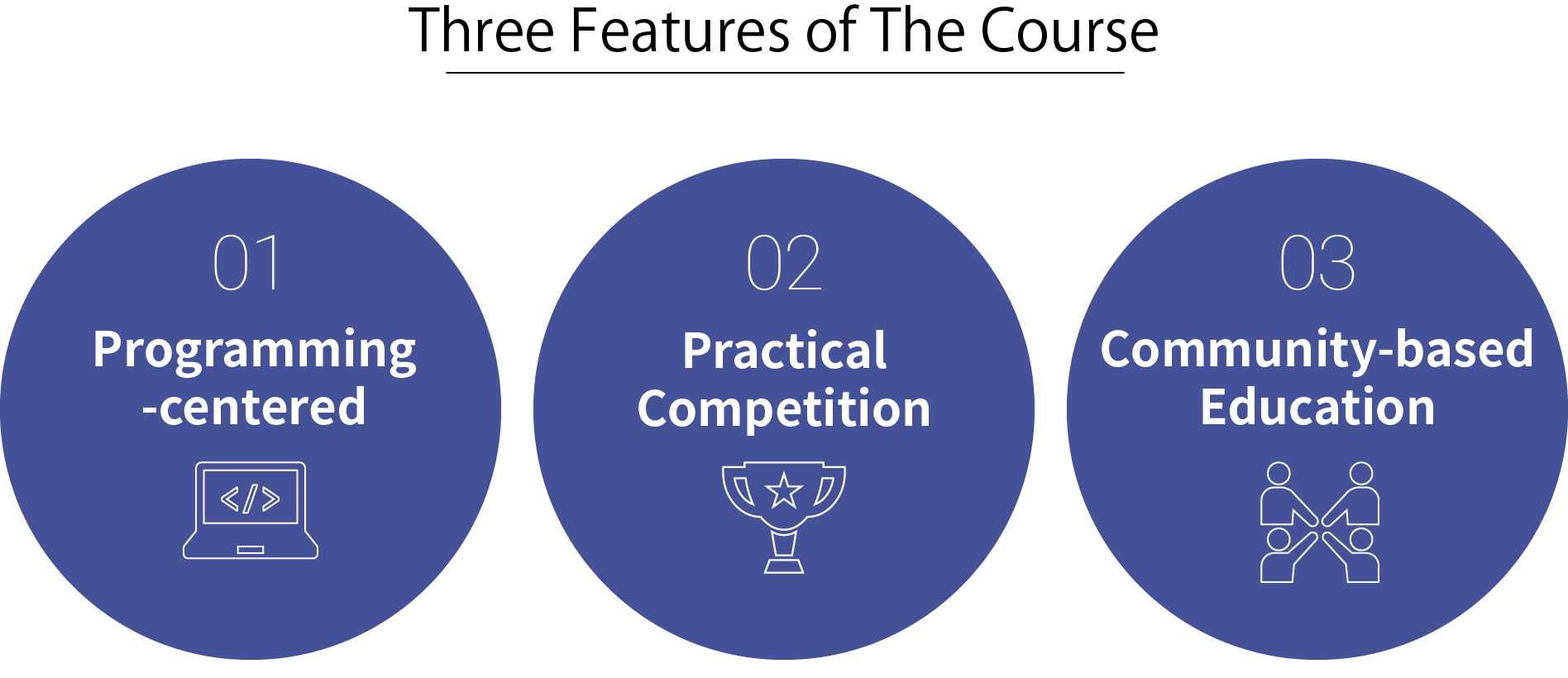
- 1.Programming-centered
- In the field of AI research using machine learning and deep learning, it is difficult to understand the content just by listening to theoretical explanations. It is only through experience in actually coding, training models, and adjusting parameters that important concepts and techniques can be acquired.
- 2. Competition
- In the field of machine learning and deep learning, students can gain a deep understanding of important concepts and techniques by working with real data and training their own models. Many classes incorporate practical Kaggle-style competitions in which students compete with each other for the accuracy of the models they have created.
- 3. Community-based Education
- Matsuo-Iwasawa Laboratory proposes “community-based education” as a new educational approach. In many of our classes, we build a community of students, provide mutual mentoring through group work, and share the latest technical topics.
A Wide Range of Courses on Topics Ranging from Deep Learning and LLMsto AI Entrepreneurship
The Matsuo-Iwasawa Laboratory offers courses on a variety of topics, including AI and data science fundamentals, deep learning, large-scale language models (LLMs), deep generative models, world models, and AI management. Students can participate in courses that match their target audience, course objectives, future goals, interests, and skill level.
List of Courses
Management
Lecturers and Management Team with Solid Skills and Experience
Cutting-edge Lectures
One of the strengths of the Matsuo-Iwasawa Laboratory is the depth of its team of researchers and engineers involved in cutting-edge research in AI and web engineering. Young researchers and students involved in research on deep generative modeling and large-scale language modeling develop their own teaching materials and serve as lecturers. Staff members dedicated to the laboratory are also in charge of recruiting and managing each course. We also actively offer endowed courses in cooperation with companies. The Matsuo-Iwasawa Laboratory has already helped more than 12,000 students to enter society through its external courses, and an increasing number of them have gone on to start their own businesses. We provide cutting-edge AI and data science education and support students through the implementation of acquired knowledge and technology in society. With a strong sense of purpose, our instructors and management team, who possess solid skills and experience, are taking on the mission of improving the IT competitiveness of Japan as a whole.
Yuriko Seki
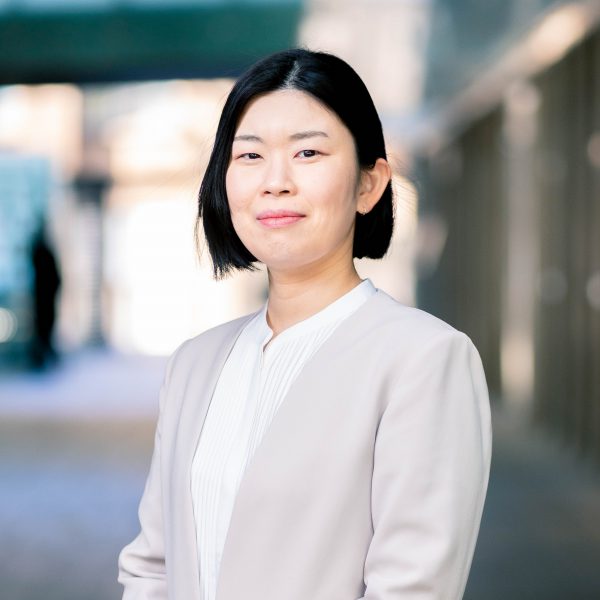
Nozomi Nakatsukasa
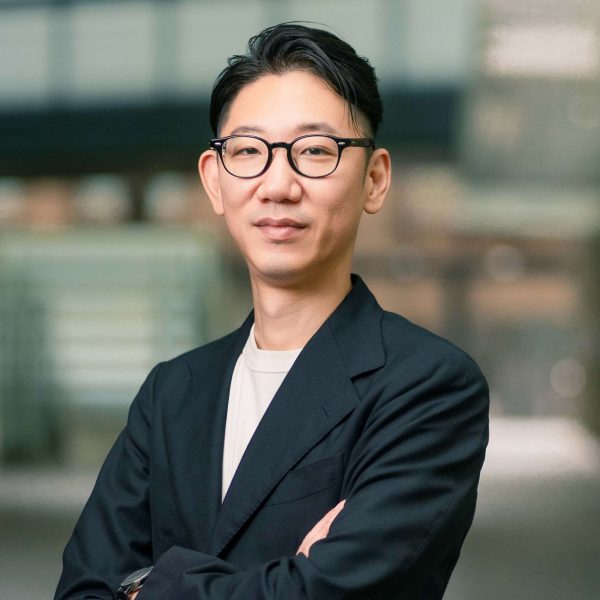
Ryuichi Kawasaki
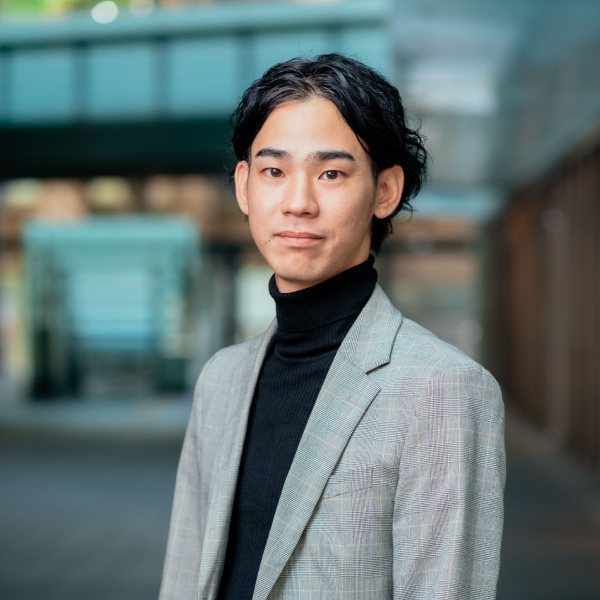
Yuta Ueki

Mai Kishi

Sho Sato
Kotaro Murase
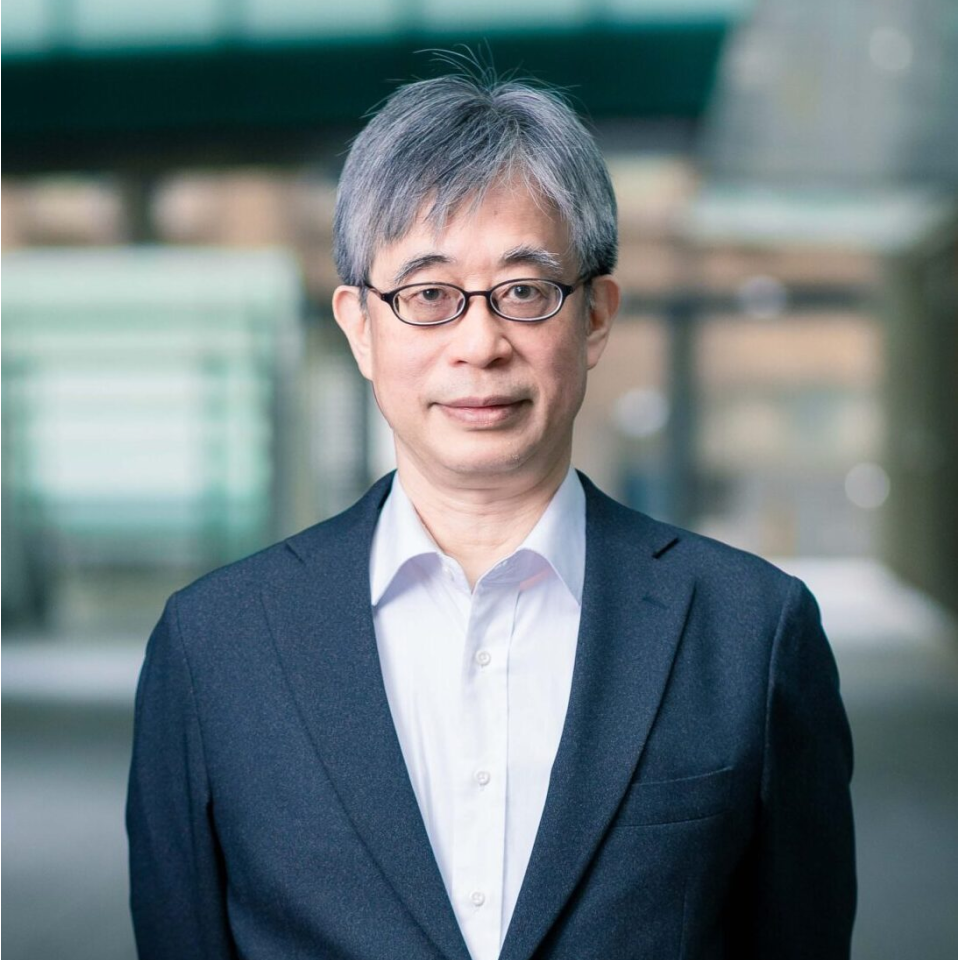
Taro Shigata

Taisuke Kinoshita
Mari Kawai

Midori Tsushima
Naoko Oe
Chika Wada
Momoko Ochi
Hiromi Tetsuka
Mai Wada

Sayo Sumida
Recruitment of Members
We are looking for members who are willing to cooperate in educational activities of Matsuo-Iwasawa Laboratory. Please contact us using the application form below. We will provide you with more details.
Recruitment information
I want to participate in educational activities
For researchers
Endowed Chair
Endowed courses are one of the educational activities of the Matsuo-Iwasawa Laboratory at the University of Tokyo, which aims to disseminate the results of basic research to society at large, and are funded by donations from companies. We are always looking for companies that share and support our vision of fostering the next generation of AI and data science professionals to help develop the Japanese economy.
Contact us at
to learn more about our donation program
For companies